
What Affects the Cost of Dental Implants?
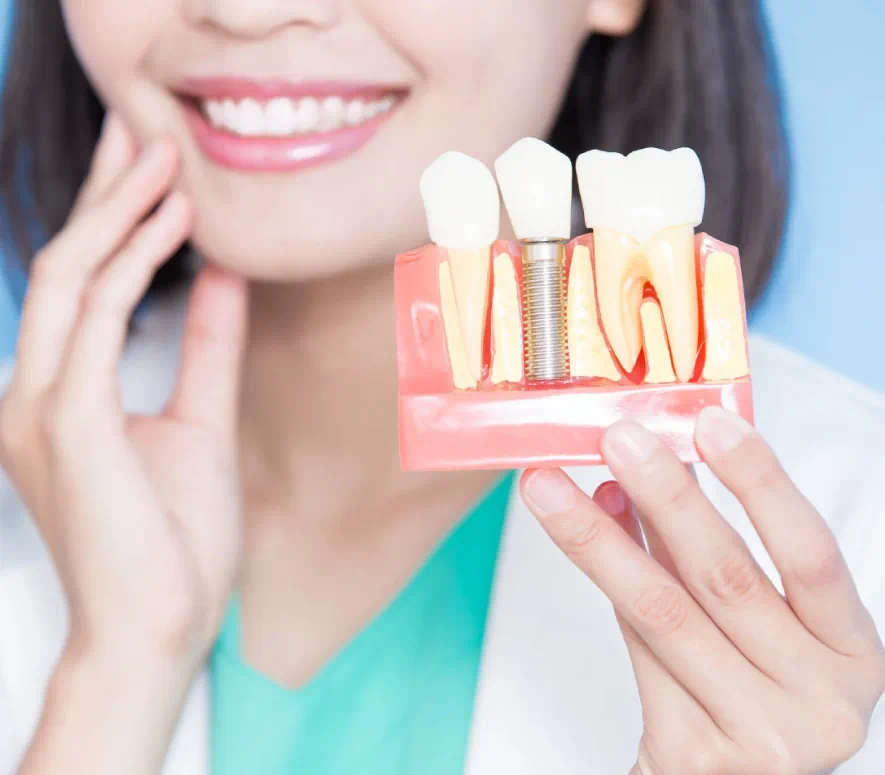
If you are considering dental implants to replace missing teeth, you may have questions about how much the treatment will cost. Unlike some dental procedures with a standard fee, the cost of dental implants can vary considerably from one patient to another.
This is because implant treatment involves several stages and may include different components depending on your oral health, the number of teeth being replaced, and the type of restoration you need.
At Serenity Family Dental, we help patients understand their treatment options and the factors that can influence the overall cost of dental implant treatment. Our approach focuses on evaluating your individual needs before recommending a treatment plan.
Why Does the Cost of Dental Implants Vary?
Dental implants are not a single procedure. The treatment may involve an implant post, an abutment, and a dental crown or another restoration. Some patients may also require additional procedures before an implant can be placed.
As a result, the total cost depends on the complexity of your treatment rather than simply the price of the implant itself.
Factors that may affect the cost include:
- Number of teeth being replaced
- Type of dental implant restoration
- Condition of your jawbone
- Need for additional procedures
- Health of your gums and remaining teeth
- Materials used for the final restoration
- Complexity of the treatment
- Number of appointments required
Your dentist can provide a more accurate estimate after completing an examination and determining what treatment your smile requires.
Number of Dental Implants Needed
One of the most obvious factors affecting the overall cost is the number of missing teeth you need to replace.
Replacing a single missing tooth may require one implant and a crown. However, replacing several missing teeth can involve multiple implants or an implant-supported restoration.
For patients who have lost most or all of their teeth, implant-supported dentures or other full-arch solutions may be considered.
The number and location of missing teeth can therefore have a significant impact on the treatment plan and overall cost.
Type of Dental Implant Restoration
The restoration placed on top of the implant can also influence the total cost.
For a single missing tooth, an implant may support an individual dental crown. When several teeth are missing, implants may support a bridge or another larger restoration.
Patients who have extensive tooth loss may be candidates for implant-supported dentures or other full-arch restorations.
Each restoration has different requirements, materials, and laboratory considerations, so your dentist will discuss the available options based on your individual needs.
Condition of Your Jawbone
Healthy and adequate bone structure is an important consideration when planning dental implant treatment.
After tooth loss, the jawbone can gradually change because it no longer receives stimulation from the natural tooth root. Depending on how much bone is available, additional treatment may sometimes be recommended before implant placement.
Your dentist may use dental X-rays or other imaging to assess the jawbone and determine whether it can adequately support an implant.
If additional procedures are required to prepare the area for an implant, they can add to the overall treatment cost.
Whether Bone Grafting Is Needed
Some patients may have insufficient bone volume for implant placement. In these situations, a bone graft may be recommended to help prepare the area for treatment.
Whether bone grafting is necessary depends on factors such as the location of the missing tooth, the amount of available bone, and the planned implant restoration.
Not every patient needs bone grafting. Your dentist can determine whether additional bone treatment is appropriate after evaluating your jawbone.
Your Gum and Oral Health
The condition of your gums and remaining teeth can also affect your implant treatment plan.
Healthy gums and supporting tissues are important when planning dental implants. If gum disease or another oral health concern is present, it may need to be addressed before implant placement.
Similarly, damaged or infected neighbouring teeth may require treatment before the implant procedure.
Addressing these concerns first can help create a healthier foundation for your planned restoration.
The Materials Used for the Restoration
The materials used to create your final dental restoration may also influence the overall cost.
Dental crowns and other implant-supported restorations are available in different materials. Your dentist can explain the options suitable for your situation, including considerations related to appearance, strength, function, and location in the mouth.
For example, the requirements for a visible front tooth may differ from those for a back tooth that experiences greater chewing forces.
Your dentist can help you understand how the restoration material fits into your overall treatment plan.
Complexity of the Treatment
Every dental implant case is different.
A straightforward single-tooth replacement may involve fewer treatment steps than a complex case involving several missing teeth, existing dental problems, bone loss, or additional procedures.
The position of the missing tooth, your bite, the condition of the surrounding teeth, and your overall oral health can all influence the complexity of treatment.
Because of this, comparing implant prices without considering what is included in the treatment plan may not provide an accurate picture of the total cost.
Number of Appointments and Treatment Stages
Dental implant treatment generally involves multiple stages rather than being completed in a single appointment.
Depending on your situation, treatment may include:
- Initial dental examination
- Dental X-rays or other imaging
- Treatment planning
- Implant placement
- Healing period
- Abutment placement
- Final crown or restoration placement
- Follow-up appointments
Some patients may require additional treatment before or during the implant process.
The number and type of appointments needed can therefore influence the overall cost of treatment.
Does Dental Insurance Cover Dental Implants?
Dental insurance coverage for implants varies between plans.
Some dental insurance policies may provide benefits toward certain parts of implant treatment, while others may have limitations or exclusions. Coverage can also depend on whether the treatment is considered medically or dentally necessary under the terms of your plan.
Before starting treatment, it is useful to review your insurance benefits and ask your dental office which parts of the treatment may be eligible for coverage.
Your dental team can also help you understand the estimated treatment costs and available payment information.
Are Dental Implants Worth the Cost?
The value of dental implant treatment depends on your individual oral health needs, treatment goals, and circumstances.
Dental implants can provide a stable foundation for replacement teeth and may be used to replace individual missing teeth or support larger restorations.
However, implants are not automatically appropriate for every patient. Treatment involves surgery and requires sufficient supporting tissues and careful planning.
Rather than focusing only on the initial price, it is important to consider the complete treatment plan, the type of restoration being provided, the condition of your oral health, and the care required after treatment.
How Can You Get an Accurate Dental Implant Cost?
The most reliable way to understand the cost of dental implants is through a personalised dental evaluation.
During your consultation, your dentist may assess:
- Number and location of missing teeth
- Condition of your remaining teeth
- Gum health
- Jawbone structure
- Bite and surrounding teeth
- Need for additional procedures
- Type of implant restoration
- Your oral health and treatment goals
Based on this evaluation, your dentist can explain the recommended treatment steps and provide information about the expected costs.
At Serenity Family Dental, we focus on helping patients understand their options so they can make informed decisions about their restorative dental care.
What Should You Ask About the Cost of Dental Implants?
Before beginning treatment, consider asking your dentist:
- How many implants will I need?
- What type of restoration will be used?
- Will I need bone grafting or another procedure?
- What is included in the quoted treatment cost?
- Are imaging and follow-up appointments included?
- What materials are available for my restoration?
- Does my dental insurance provide any coverage?
- Are payment or financing options available?
Having a clear understanding of your treatment plan can help you know what to expect throughout the implant process.
Restore Your Smile with Personalised Dental Implant Care
The cost of dental implants depends on much more than the implant itself. The number of missing teeth, condition of your jawbone and gums, type of restoration, additional procedures, and complexity of treatment can all influence the overall cost.
At Serenity Family Dental, we take the time to evaluate your oral health and discuss the available tooth replacement options with you. Our team can explain each stage of your treatment and help you understand the factors that may affect your individual implant cost.
Schedule a Dental Implant Consultation
If you are considering dental implants, a comprehensive dental evaluation is an important first step. Contact Serenity Family Dental to discuss your missing teeth, treatment goals, and available tooth replacement options.
A personalised assessment can help determine whether dental implants are appropriate for you and provide a clearer understanding of the treatment involved and its associated costs.
Frequently Asked Questions
Q: What is included in the cost of a dental implant?
A: The total cost may include the implant post, abutment, crown or other restoration, imaging, appointments, and any additional procedures required before or during treatment. What is included can vary depending on the dental practice and your individual treatment plan.
Q: Does bone grafting increase the cost of dental implants?
A: It can. If there is not enough bone to support an implant, your dentist may recommend a bone graft or another preparatory procedure. This can add to the overall treatment cost, although not every patient requires bone grafting.
Q: Is the cost of replacing one tooth different from replacing several teeth?
A: Yes. The number of missing teeth and the type of restoration required can affect the overall cost. A single missing tooth may require one implant and crown, while several missing teeth may require multiple implants or an implant-supported restoration.
Q: Does dental insurance cover the cost of dental implants?
A: Coverage varies between insurance plans. Some plans may provide benefits toward certain parts of implant treatment, while others may have limitations. It is important to review your policy and discuss your coverage with your dental office before beginning treatment.
Q: How can I find out how much dental implants will cost for me?
A: The best way to receive an accurate estimate is to schedule a dental examination. Your dentist can evaluate your teeth, gums, jawbone, number of missing teeth, and restoration needs before developing a personalised treatment plan and discussing the expected costs.
Contact Us
Phone: (781) 272-3340
Office Hours
Monday–Thursday: 8:00 AM – 5:00 PM
Friday–Sunday: Closed


© 2026 Serenity Family Dental of Burlington | All Rights Reserved | Privacy Policy | Digital Marketing by Remedo