
How Long Do Dental Sealants Last?
Dental sealants are a simple, effective way to protect your teeth from decay, especially in the grooves and pits of your back teeth. Many patients at Serenity Family Dental ask, “How long do dental sealants last?” Understanding how sealants work and what affects their longevity can help you get the most out of this preventive treatment.
If you want to learn more about how sealants protect your smile, visit our dental sealant information page at Serenity Family Dental.
What Are Dental Sealants and How Do They Work?
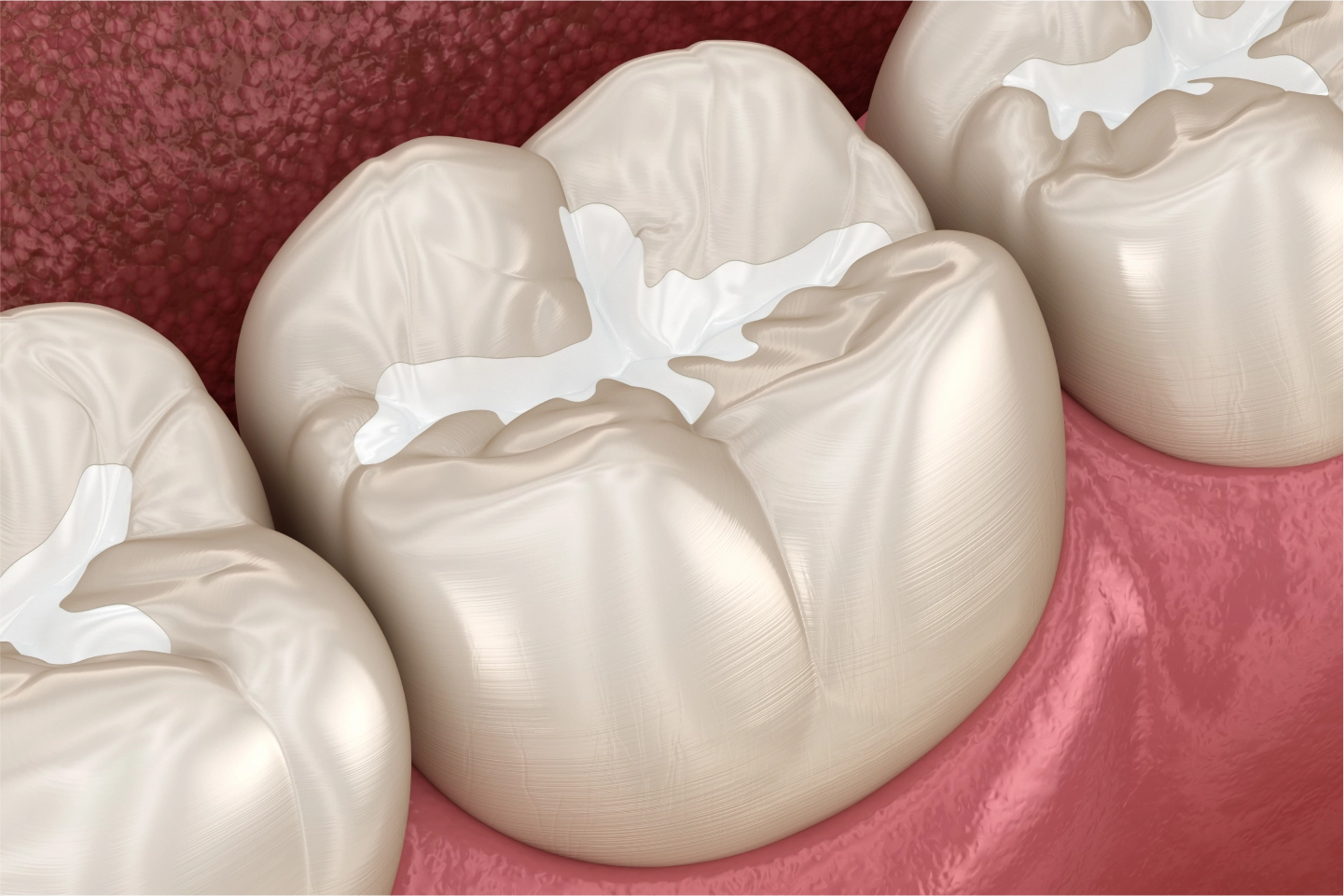
Dental sealants are thin, protective coatings applied to the chewing surfaces of molars and premolars. These teeth have deep grooves that trap food particles and bacteria, making them harder to clean with brushing alone. The sealant fills in these grooves and creates a smooth surface that is easier to clean.
Applying sealants is quick, painless, and non-invasive. The teeth are cleaned and dried, the sealant material is placed, and a curing light hardens it in place. Sealants act as a barrier against decay, helping to keep pits and fissures clean and protected.
To understand how sealants fit into your overall preventive care, check out our preventive dentistry services.
How Long Do Dental Sealants Last?
A common question is how long dental sealants last before they need to be replaced. On average, dental sealants can last between three and ten years. Many sealants remain effective for several years with proper care, and some last even longer.
The longevity of sealants depends on several factors:
Quality of Oral Hygiene
Good oral hygiene is essential to sealant longevity. Brushing twice a day, flossing daily, and using an antibacterial mouth rinse can help keep the teeth and sealants free from decay-causing bacteria. Patients who maintain excellent home care often enjoy longer-lasting sealants.
Age and Bite Pressure
Children and teenagers often receive sealants because their newly erupted molars are most vulnerable to decay. Younger patients may experience sealants wearing down sooner due to developing habits like grinding or chewing hard foods. Adults with heavy bite pressure or bruxism may also notice sealants wearing faster.
Diet and Habits
Eating sticky, chewy, or hard foods like caramel, nuts, and hard candies can wear on sealants more quickly. Good nutrition and mindful eating habits help preserve the integrity of the sealant surface.
Regular Dental Checkups
Regular dental visits allow the dentist to check sealants each year or during routine cleanings. If a sealant is chipped or worn in one area, it can often be repaired rather than replaced entirely. Consistent professional care supports longer sealant life.
To schedule your next visit, see our appointments page.
Signs It May Be Time to Replace Sealants
Although sealants are durable, they may wear or break down over time.
Some signs that sealants may need attention include:
• Visible cracks or chips in the sealant
• Areas where the sealant has worn away
• Food or plaque buildup in previously protected grooves
• Signs of decay around or under the sealant
If you notice any of these changes or if your dentist points them out during a checkup, sealant repair or replacement can help restore protection.
You can learn more about common concerns during dental exams on our oral exams page.
The Benefits of Dental Sealants
Sealants are a proven preventive tool for patients of all ages, not just children.
Here are a few key benefits:
Effective Cavity Prevention
Sealants protect vulnerable surfaces from decay-causing bacteria and food particles. Studies show that sealants can reduce the risk of cavities by up to 80 percent in molars.
Painless and Non-Invasive
Unlike fillings or other restorative treatments, sealants are applied without drilling or anesthesia. They are quick and comfortable, making them ideal for busy families.
Cost-Effective Long-Term Protection
Investing in sealants can save money over time by preventing costly dental work like fillings, crowns, or root canals. Sealants are one of the most affordable preventive treatments available.
To explore other preventive options that strengthen oral health, visit our preventive dentistry services.
How Sealants Fit Into a Complete Dental Plan
Sealants are most effective when used as part of a holistic preventive plan that includes regular checkups, cleanings, and personalized recommendations from your dental team. At Serenity Family Dental, we tailor preventive care to each patient’s needs based on age, cavity risk, and dental history.
For children and teens, sealants are especially helpful soon after molars come in. For adults, sealants may be appropriate in areas where deep grooves make cleaning difficult. Your dental team will advise you on the best schedule for sealant placement and follow-up.
To support overall oral health, we also offer services such as dental cleanings, fluoride treatments, and periodontal care.
Caring for Your Sealants at Home
To maximize how long dental sealants last, follow these practical tips:
• Brush teeth twice daily with fluoride toothpaste
• Floss once a day to remove plaque from between teeth
• Avoid chewing hard objects like ice or pens
• Limit sugary snacks and drinks
• Visit the dentist regularly for exams and cleanings
If you have questions about proper home care, your dental hygienist can provide personalized tips during your visit.
Sealants Are Worth the Investment
Dental sealants are an easy and effective way to protect vulnerable teeth from decay for years. By combining sealants with routine exams and good home care, you can help keep your smile healthy and strong.
To learn more about dental sealants and how long they last, talk to your Serenity Family Dental team. We are dedicated to preventive care and helping patients enjoy smiles that last a lifetime.
You can read more about the sealant process on our dental sealant page and schedule a checkup through our appointments page.
Contact Us
Phone: (781) 272-3340
Office Hours
Monday–Thursday: 8:00 AM – 5:00 PM
Friday–Sunday: Closed


© 2026 Serenity Family Dental of Burlington | All Rights Reserved | Privacy Policy | Digital Marketing by Remedo