
Dental Implants vs. Dentures vs. Bridges: How to Choose
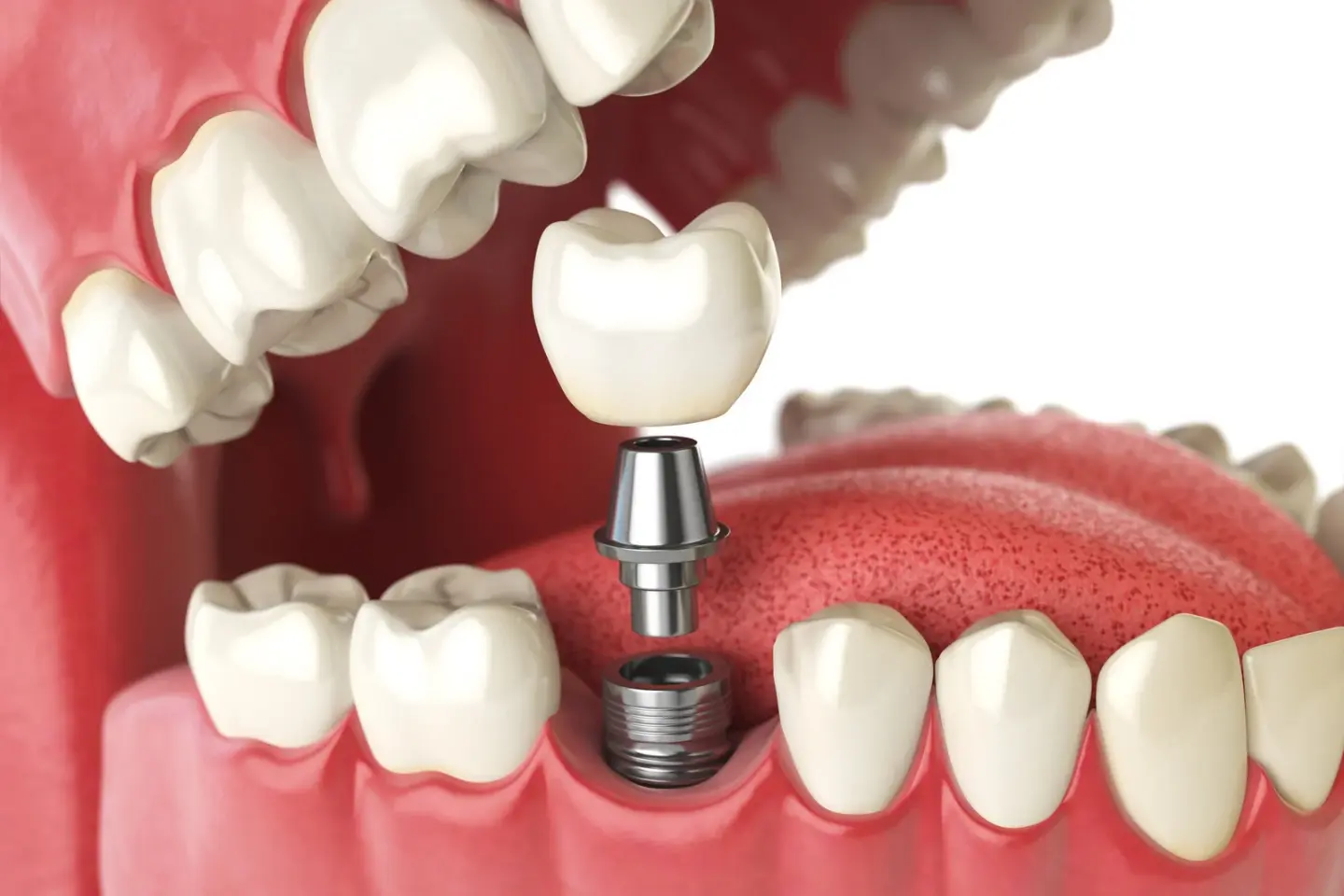
Losing one or more teeth can affect much more than the appearance of your smile. Missing teeth can make it harder to chew certain foods, affect speech, and allow the surrounding teeth to shift over time. Fortunately, modern dentistry offers several effective ways to replace missing teeth, including dental implants, dentures, and dental bridges.
But with several options available, how do you know which one is right for you?
At Serenity Family Dental, we help patients understand their tooth replacement options and choose treatment based on their oral health, number of missing teeth, lifestyle, goals, and long-term needs. Our restorative dental care focuses on restoring both the function and appearance of your smile with personalised treatment options.
In this guide, we'll compare dental implants, dentures, and bridges so you can better understand how each option works and what factors may influence your decision.
Why Replace Missing Teeth?
It may be tempting to leave a missing tooth alone if it isn't causing immediate pain. However, missing teeth can affect your oral health and daily function over time.
Replacing missing teeth can help:
- Restore chewing and biting ability
- Improve speech and pronunciation
- Support the appearance of your smile
- Prevent neighbouring teeth from shifting
- Restore lost tooth structure and function
- Make eating more comfortable
- Support better long-term oral health
The best replacement option depends on your individual situation. There is no single solution that works for every patient.
If you have a missing tooth or multiple missing teeth, a comprehensive dental examination can help determine the condition of your remaining teeth, gums, bite, and supporting structures before treatment is recommended.
Dental Implants: A Long-Term Tooth Replacement Option
Dental implants are designed to replace missing teeth from the root upward. An implant consists of a small post that is placed into the jawbone and supports a dental crown, bridge, or denture.
Because the implant is anchored within the jawbone, it can provide a stable foundation for a replacement tooth.
Dental implants are one of several options available through restorative dentistry and may be considered when a patient wants a stable, fixed approach to replacing missing teeth.
Benefits of Dental Implants
Dental implants may be an excellent option for patients who want a stable and long-lasting tooth replacement.
Potential benefits include:
- A secure and stable fit
- A natural-looking appearance
- No need to rely on neighbouring teeth for support
- Restoration of chewing function
- Support for jawbone preservation after tooth loss
- Replacement of individual missing teeth or multiple teeth
Implants can also be used to support implant-retained dentures when several or all teeth need to be replaced.
What Should You Consider With Dental Implants?
Dental implants require surgical placement and a healing period before the final restoration can be completed. Adequate bone volume and healthy oral tissues are important considerations.
Your dentist will evaluate your teeth, gums, jawbone, and overall oral health to determine whether implants are appropriate for you.
Because every patient has different needs, the process begins with an evaluation rather than assuming implants are automatically the best choice.
Dental Bridges: Replacing One or More Missing Teeth
A dental bridge is a fixed restoration designed to replace one or more missing teeth. A traditional bridge typically uses the natural teeth next to the gap as support for the replacement tooth or teeth.
Unlike removable dentures, a traditional dental bridge stays in place once it has been professionally fitted.
For patients considering a fixed solution, dental bridges and other restorative treatments can help restore the appearance and function of the smile.
Benefits of Dental Bridges
Dental bridges may be a suitable choice for patients who want a fixed tooth replacement without undergoing implant surgery.
Benefits can include:
- Replacing one or more adjacent missing teeth
- Restoring chewing function
- Improving the appearance of the smile
- Remaining securely in place
- Providing a relatively quick tooth replacement option
- Helping prevent neighbouring teeth from moving into the empty space
However, traditional bridges generally require the supporting teeth to be prepared. Your dentist can determine whether the surrounding teeth are healthy and strong enough to support a bridge.
Dentures: A Removable Tooth Replacement Solution
Dentures are removable dental appliances designed to replace multiple missing teeth or an entire arch of teeth.
Depending on the number of teeth being replaced, you may need either:
- Partial dentures, which replace several missing teeth while fitting around your remaining natural teeth
- Full dentures, which replace all or most teeth in an upper or lower arch
Dentures can restore important functions while also supporting the appearance of your smile.
As part of comprehensive restorative dentistry, dentures may be considered for patients who need to replace several or all missing teeth.
Benefits of Dentures
Dentures may be an appropriate option for patients who need to replace multiple or all missing teeth.
Benefits can include:
- Replacing several missing teeth at once
- Restoring chewing and speaking ability
- Improving smile appearance
- Being removable for cleaning
- Providing a non-surgical tooth replacement option
- Offering a solution for patients who may not be candidates for traditional implants
Modern dentures can be designed to provide a more natural-looking appearance and comfortable fit when properly fabricated and adjusted.
Dental Implants vs. Dentures vs. Bridges
While all three options can replace missing teeth, they differ significantly in how they work and how they fit into your daily life.
Implants
Dental implants are anchored into the jawbone and can be used to replace individual teeth or support larger restorations.
They may be ideal for patients who:
- Want a fixed and stable solution
- Are looking for a long-term tooth replacement option
- Have sufficient bone and healthy oral tissues
- Prefer a restoration that functions more like a natural tooth
- Want to avoid relying on neighbouring teeth for support
Bridges
Dental bridges are fixed restorations supported by neighbouring teeth or, in some cases, implants.
They may be appropriate for patients who:
- Have one or several missing teeth in a row
- Have healthy supporting teeth
- Want a fixed restoration
- Prefer an alternative to removable dentures
- May not need or want implant surgery
Dentures
Dentures are removable and can replace multiple or all missing teeth.
They may be a good option for patients who:
- Need to replace several missing teeth
- Have lost most or all teeth in an arch
- Prefer a removable restoration
- Want a non-surgical tooth replacement option
- Need a more comprehensive solution for extensive tooth loss
If you are unsure which category best fits your needs, explore our dental services or schedule an evaluation so your dentist can assess your smile and discuss appropriate options.
What Factors Should You Consider?
Choosing between implants, bridges, and dentures involves more than simply comparing the three treatments. Your dentist will consider several aspects of your oral health and personal needs.
Number of Missing Teeth
The number and location of your missing teeth can significantly influence your options.
A single missing tooth may be replaced with an implant and crown or a bridge, while multiple missing teeth may be treated with a larger bridge, partial denture, or implant-supported restoration.
Patients missing most or all of their teeth may benefit from full dentures or implant-supported dentures.
Condition of Your Remaining Teeth
The health of your remaining teeth is another important consideration.
Traditional bridges rely on neighbouring teeth for support, so those teeth need to be sufficiently healthy and strong. Partial dentures may also depend on remaining teeth for stability.
If the surrounding teeth are compromised, dental implants may provide an alternative that does not require neighbouring natural teeth to support the restoration.
Jawbone Health
The condition of your jawbone is particularly important when considering dental implants.
After a tooth is lost, the bone that previously supported the tooth can gradually change. Your dentist may use dental X-rays or other imaging to evaluate your bone structure and determine whether an implant can be placed safely.
In some situations, additional procedures may be recommended before implant placement.
Your Lifestyle and Preferences
Your daily routine and personal preferences also matter.
Some patients prefer a fixed restoration that stays in place, while others appreciate the ability to remove their dentures for cleaning. Your comfort level with surgical treatment, maintenance requirements, and desired appearance should all be considered when developing a treatment plan.
Your Long-Term Oral Health Goals
Tooth replacement should not only address the immediate gap in your smile. Your dentist will also consider how the treatment may affect your oral health in the years ahead.
The goal is to choose an option that restores function, supports your remaining teeth and tissues, and fits your long-term needs.
Are Dental Implants Better Than Dentures or Bridges?
There is no universally "best" tooth replacement option.
Dental implants can provide excellent stability and can replace a missing tooth without using neighbouring teeth as supports. However, they involve surgery and may require a longer treatment process.
Bridges offer a fixed solution and can replace missing teeth without implant surgery, but traditional bridges rely on adjacent teeth for support.
Dentures can replace multiple or all missing teeth and offer a removable option, but they require regular cleaning and may feel different from natural teeth.
The best choice depends on your individual oral health, preferences, and treatment goals.
A consultation with a dental professional can help you compare the advantages and limitations of each option. At Serenity Family Dental, we emphasise personalised dental care and clear explanations so patients can make informed decisions about their treatment.
Can You Combine Tooth Replacement Options?
Yes. In some cases, a combination of treatments may provide the best result.
For example, dental implants can be used to support an implant bridge or implant-retained denture. Patients with several missing teeth may also have different replacement options recommended for different areas of the mouth.
Your dentist can evaluate your complete smile and develop a treatment plan rather than focusing on a single missing tooth or isolated area.
How Do You Choose the Right Option?
The decision should be made after a comprehensive dental examination and discussion with your dentist.
During your consultation, your dentist may evaluate:
- The number and location of missing teeth
- The condition of your remaining teeth
- Gum health
- Jawbone structure
- Your bite
- Your medical and dental history
- Your comfort and aesthetic preferences
- Your ability to maintain the restoration
- Your long-term oral health goals
Based on these factors, your dentist can explain the advantages and limitations of each option and help you make an informed decision.
Patients who are preparing for their first visit can also review the practice's new patient information to learn more about what to expect when beginning care.
Restore Your Smile with Personalized Tooth Replacement
Missing teeth don't have to permanently affect your ability to eat, speak, or smile confidently. Dental implants, bridges, and dentures each offer different approaches to restoring missing teeth, and the right choice depends on your unique needs.
At Serenity Family Dental, we provide personalised restorative care designed around your oral health and goals. Whether you're missing one tooth or several, our team can evaluate your smile and discuss the tooth replacement options available to you.
Our practice combines comprehensive dental services with a patient-focused approach, helping you understand your treatment options and choose care that fits your individual needs.
Schedule a Dental Consultation
If you're considering dental implants, dental bridges, or dentures, request an appointment with Serenity Family Dental to discuss your options.
A thorough evaluation can help identify the most appropriate approach for replacing your missing teeth and restoring your smile. Our team is here to answer your questions, explain your choices, and help you take the next step toward comfortable, functional oral health.
Frequently Asked Questions
Q: Which is better, dental implants, bridges, or dentures?
A: There is no single option that is best for everyone. Dental implants, bridges, and dentures each have different benefits and considerations. Your dentist can recommend an option based on your oral health, number of missing teeth, jawbone condition, lifestyle, and long-term goals.
Q: Are dental implants more comfortable than dentures?
A: Dental implants are fixed in place and can provide a stable foundation for replacement teeth, while traditional dentures are removable. However, comfort varies from person to person and depends on factors such as fit, oral health, and the type of restoration used.
Q: Can a dental bridge replace multiple missing teeth?
A: Yes. A dental bridge can replace multiple adjacent missing teeth in appropriate situations. Your dentist will evaluate the location of the missing teeth and the health of the supporting teeth before recommending a bridge.
Q: Can dentures look natural?
A: Yes. Modern dentures can be designed to closely resemble natural teeth and gums. Proper fitting and professional adjustments can also improve their comfort, appearance, and function.
Q: How do I know which tooth replacement option is right for me?
A: The best way to determine the right option is to have a comprehensive dental examination. Your dentist can evaluate your teeth, gums, jawbone, bite, and overall oral health before explaining which treatments may be appropriate for your specific needs.
Contact Us
Phone: (781) 272-3340
Office Hours
Monday–Thursday: 8:00 AM – 5:00 PM
Friday–Sunday: Closed


© 2026 Serenity Family Dental of Burlington | All Rights Reserved | Privacy Policy | Digital Marketing by Remedo