
Dental Cleaning vs Deep Cleaning: What's the Difference?
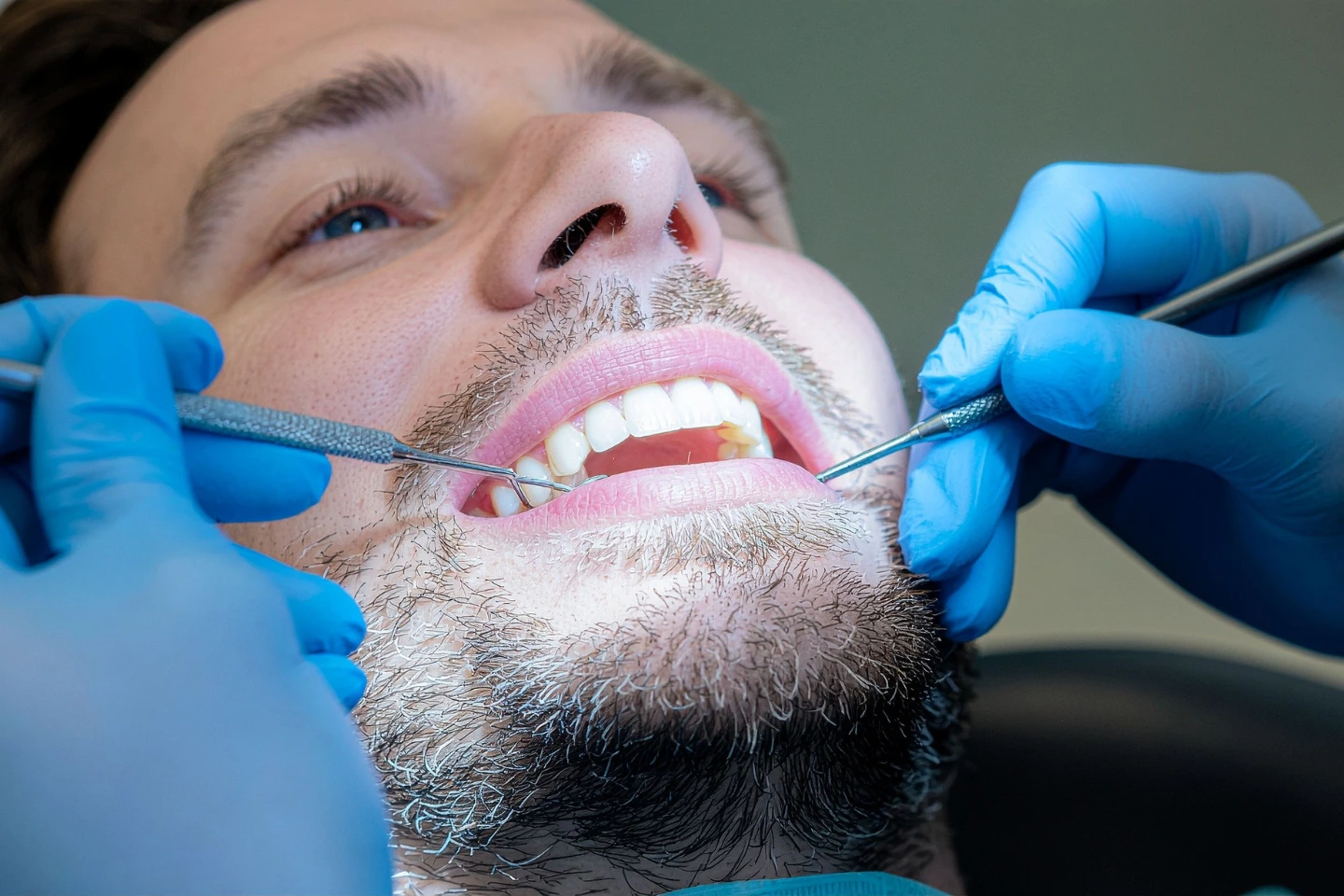
Keeping your teeth clean is one of the most effective ways to protect your smile and overall health. While most people are familiar with routine dental cleanings, many are surprised when their dentist recommends a deep cleaning instead. Although both treatments aim to improve oral health, they serve different purposes and are recommended for different conditions.
At Serenity Family Dental, we help patients understand the difference between a regular dental cleaning and a deep cleaning so they can make informed decisions about their oral health. Knowing which treatment you need can help prevent more serious dental problems in the future.
What Is a Routine Dental Cleaning?
A routine dental cleaning, also known as a prophylaxis, is a core part of preventive dental care. It is designed specifically for patients with generally healthy teeth and gums who do not show signs of advanced gum disease.
During a routine cleaning, your dental hygienist removes plaque, tartar, and surface stains from above the gumline. The teeth are then polished to leave them feeling smooth and clean.
Routine dental cleanings help:
- Remove plaque and tartar buildup before they cause cavities
- Reduce the risk of gum disease by keeping the gumline clean
- Remove surface stains from food, coffee, or tea
- Maintain fresh breath and support long-term oral health
Frequency: Most patients benefit from scheduling a professional cleaning alongside their regular dental exams every six months, though some may require more frequent visits based on their specific oral health needs.
What Is a Deep Cleaning?
A deep cleaning, clinically known as scaling and root planing, is a therapeutic treatment used to manage the early and moderate stages of periodontal disease. Unlike a routine cleaning, a deep cleaning removes bacteria, plaque, and tartar from below the gumline and smooths the tooth roots to help the gums heal.
When plaque and tartar remain beneath the gums, they create pockets where bacteria thrive. This leads to chronic inflammation, infection, and eventually bone loss if left untreated. Deep cleaning focuses on stopping the progression of gum disease before it causes permanent damage to the supporting structures of your smile.
When Is a Deep Cleaning Recommended?
Your dentist will recommend a deep cleaning if a clinical examination reveals signs of chronic inflammation rather than healthy gums. Common signs that you may need targeted gum disease treatment include:
- Bleeding gums while brushing or flossing
- Swollen, tender, or bright red gums
- Persistent bad breath (halitosis)
- Gum recession (teeth appearing "longer")
- Loose or shifting teeth
- Deep gum pockets (measurements greater than 3mm)
- Tartar buildup visible beneath the gums or showing on dental X-rays
Routine Cleaning vs. Deep Cleaning: Key Differences
1. Primary Purpose
- Routine Cleaning: This is a preventive treatment. It is designed to maintain your current oral health and stop dental problems before they start.
- Deep Cleaning: This is a therapeutic treatment. Its goal is to stop active infection and reverse or control the progression of gum disease.
2. Treatment Area
- Routine Cleaning: The hygienist focuses entirely on the surfaces of your teeth above the gumline.
- Deep Cleaning: The process goes much deeper, removing bacteria both above and below the gumline, cleaning all the way down to the tooth roots.
3. Time Commitment and Appointments
- Routine Cleaning: These are typically straightforward and completed in one single appointment lasting 45 to 60 minutes.
- Deep Cleaning: Because it is highly detailed, it often requires two or more visits. This allows the clinician to treat one or two quadrants of your mouth thoroughly at a time.
4. Use of Anesthesia
- Routine Cleaning: Since this is a non-invasive surface cleaning, local anesthesia is not required.
- Deep Cleaning: To ensure you remain completely comfortable while the root surfaces are cleaned, a local numbing agent or anesthesia is standard practice.
5. Recovery Time
- Routine Cleaning: Recovery is immediate. You can walk out of the office and right back into your normal routine.
- Deep Cleaning: You can expect mild soreness, tender gums, or temporary temperature sensitivity for a few days while your gum tissues begin to tighten and heal.
What Happens During Each Procedure?
During a Routine Dental Cleaning
A standard cleaning is straightforward and comfortable for most patients. The appointment typically includes:
- Physical Exam: Checking your teeth and gums for signs of cavities or inflammation.
- Scaling: Removing plaque and tartar from above the gumline using specialized hand instruments or ultrasonic scalers.
- Polishing & Flossing: Using a gritty paste to buff away surface stains, followed by a professional flossing session.
- Fluoride & Protection: A protective varnish applied if recommended, or a discussion on preventive options like dental sealants to lock out decay.
During a Deep Cleaning
Deep cleaning focuses on two critical therapeutic steps:
- Scaling: Thoroughly removing plaque, tartar, and bacterial toxins from beneath the gumline and around the deep pockets of the tooth roots.
- Root Planing: Smoothing out rough surfaces on the tooth roots. This makes it incredibly difficult for bacteria to reattach and allows your gums to firmly heal back against the teeth.
What Happens If Gum Disease Is Left Untreated?
Ignoring advanced gum disease does more than cause chronic bad breath—it actively destroys the bone structures supporting your teeth. Over time, untreated periodontal disease results in loose teeth and eventual tooth loss.
When teeth are lost to advanced recession and bone damage, patients must often explore complex restorative dentistry options, such as dental bridges, complete or partial dentures, or custom implant restorations to regain their bite functionality. Treating gum issues early with a deep cleaning protects your natural teeth and helps you avoid the need for structural dental procedures later.
Frequently Asked Questions
Q: Does a deep cleaning hurt?
A: Thanks to local anesthesia, the procedure itself is typically comfortable and pressure-only. You may notice mild tenderness or sensitivity to cold temperatures afterward, but these symptoms usually resolve within a few days.
Q: What happens if gum disease is left untreated?
A: Ignoring gum disease allows the infection to destroy the bone structures supporting your teeth. Over time, this results in severe gum recession, loose teeth, systemic health inflammation, and eventual tooth loss.
Q: Can I eat right after a dental cleaning?
A: After a routine cleaning, you can eat immediately unless you received a fluoride treatment (which usually requires waiting 30 minutes). Following a deep cleaning, it is best to wait until your local anesthesia completely wears off to avoid accidentally biting your tongue or cheek, and stick to soft foods for the first 24 hours.
Contact Us
Phone: (781) 272-3340
Office Hours
Monday–Thursday: 8:00 AM – 5:00 PM
Friday–Sunday: Closed


© 2026 Serenity Family Dental of Burlington | All Rights Reserved | Privacy Policy | Digital Marketing by Remedo