
Am I a Candidate for Dental Implants? Requirements, Bone Health & Next Steps
Missing one or more teeth can affect more than the appearance of your smile. It may make chewing difficult, change the way you speak, and affect your confidence in everyday situations. If you are exploring ways to replace missing teeth, dental implants may be one option worth considering. However, you may wonder whether your oral health, age, or existing dental concerns could affect your eligibility.
The good news is that many adults with missing teeth can be considered for dental implants, although individual requirements vary. Factors such as jawbone health, gum condition, medical history, and lifestyle habits all play a role in determining whether treatment is suitable.
At Serenity Family Dental, we evaluate your individual needs to help you understand your tooth replacement options. Here is what you should know about becoming a candidate for dental implants.
What Are Dental Implants?
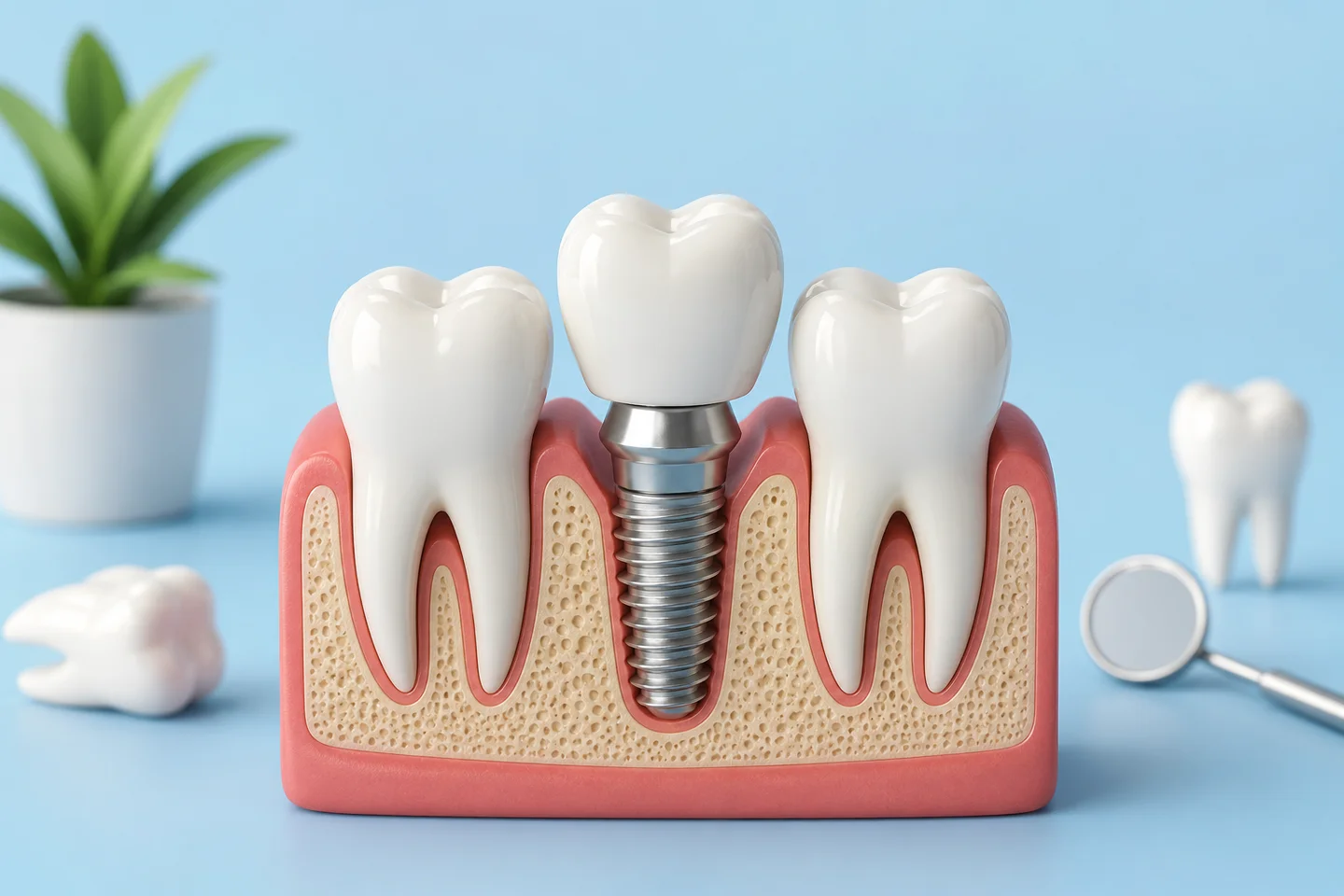
Dental implants are small posts, commonly made from titanium, that are surgically placed in the jawbone to support replacement teeth. Over time, the implant can integrate with the surrounding bone, creating a stable foundation for a dental restoration.
Depending on the number of missing teeth and your treatment goals, implants may support an individual crown, a bridge, or a denture.
Unlike a traditional dental bridge, which generally relies on neighbouring teeth for support, an implant can replace the root of a missing tooth without requiring adjacent teeth to serve as anchors.
You can learn more about the procedure and available options on our implant dentistry page.
Who Is a Good Candidate for Dental Implants?
There is no single factor that determines whether someone qualifies for dental implants. Your dentist will consider several aspects of your oral health and general wellbeing before recommending treatment.
You may be a suitable candidate if you:
- Have one or more missing teeth that need replacement.
- Have sufficient jawbone to support an implant, or may be able to undergo bone grafting if needed.
- Have healthy gums or can receive treatment for existing gum disease.
- Have medical conditions that are appropriately managed.
- Can maintain good oral hygiene and attend recommended follow-up appointments.
- Understand the treatment process, healing period, and ongoing care involved.
Meeting these general criteria does not automatically mean implants are the right choice for you. A comprehensive examination is necessary to assess your individual circumstances.
Why Is Jawbone Health Important for Dental Implants?
Your jawbone provides the foundation that supports a dental implant. After a tooth is lost, the bone in that area may gradually shrink because it no longer receives stimulation from the tooth root.
If there is insufficient bone volume or density, placing an implant may be more complicated. However, this does not always rule out treatment.
Depending on your condition, your dentist may recommend a bone graft or another preparatory procedure before implant placement. Dental X-rays and, when appropriate, three-dimensional imaging can help assess the available bone and plan treatment.
If you have been missing teeth for several years, do not assume that you are automatically ineligible. A dental evaluation can help determine which options may be available.
Can You Get Dental Implants If You Have Gum Disease?
Healthy gums are important for the long-term success of dental implants. Active gum disease can damage the tissues supporting your teeth and may increase the risk of complications around an implant.
If you have symptoms such as bleeding gums, persistent swelling, tenderness, or gum recession, your dentist may recommend addressing these concerns before considering implant placement.
Treatment may involve professional cleaning, periodontal treatment, or other measures based on the severity of the condition.
Our periodontal treatment services can help you learn more about managing gum health. Once your gums are appropriately treated and stable, your dentist can reassess whether implants are suitable.
Does Your Age Affect Your Eligibility for Dental Implants?
Dental implants are generally considered for adults whose jaw growth is complete. There is no universal upper age limit for implant treatment.
Older adults may be suitable candidates if they have adequate supporting bone, appropriate oral health, and medical conditions that are well managed. Your overall health and ability to heal are generally more relevant than age alone.
For younger patients, implant placement is usually postponed until jaw development is complete because continued growth can affect the position of the implant relative to the surrounding teeth.
Your dentist can evaluate your development, health history, and individual treatment needs before making a recommendation.
Can Medical Conditions Prevent You from Getting Dental Implants?
Certain medical conditions and medications can affect healing and implant treatment planning. However, having a medical condition does not necessarily mean you cannot receive implants.
For example, uncontrolled diabetes may interfere with healing and increase the risk of infection. Smoking can also impair healing and is associated with a higher risk of implant complications. Some medications and treatments that affect bone metabolism or immune function may require additional assessment.
During your consultation, tell your dentist about your medical conditions, medications, previous surgeries, and tobacco use. This information helps your dental team evaluate potential risks and determine whether treatment should proceed, be modified, or be postponed.
Never stop taking prescribed medication without consulting the clinician who manages your care.
What If You Have Several Missing Teeth?
Dental implants can be used to replace a single tooth or multiple missing teeth. The most suitable approach depends on how many teeth are missing, their location, your jawbone condition, and your treatment goals.
Depending on your needs, your options may include:
- Single-tooth replacement: An implant-supported crown can replace an individual missing tooth.
- Multiple-tooth replacement: Several implants may support a dental bridge when multiple teeth are missing.
- Full-arch replacement: Implant-supported dentures or other full-arch restorations may be considered when most or all teeth in an arch are missing.
Traditional alternatives may also be appropriate in some cases. Our dental bridges and dentures pages explain other tooth replacement options you can discuss with your dentist.
The best choice is the one that suits your oral health, functional needs, preferences, and treatment circumstances.
What Happens During a Dental Implant Consultation?
A consultation helps determine whether dental implants are appropriate and what preparation may be necessary.
Your assessment may include:
- Oral examination: Your dentist evaluates your teeth, gums, bite, and the areas where teeth are missing.
- Imaging: Dental X-rays or other imaging may be used to assess the jawbone and surrounding structures.
- Medical history review: Your dentist considers health conditions, medications, smoking habits, and other factors that may affect healing.
- Treatment planning: The number of implants, type of restoration, and need for preparatory procedures are discussed.
- Review of alternatives: If implants are unsuitable or you prefer another approach, other tooth replacement options can be considered.
You can arrange an initial assessment through our dental appointments page.
Are Dental Implants the Right Choice for You?
Dental implants can offer a stable way to replace missing teeth, but they involve surgery, a healing period, and ongoing maintenance. They are not automatically the best option for every patient.
Your dentist will consider the condition of your jawbone, gum health, medical history, budget, and expectations before recommending treatment. In some cases, preliminary treatment may improve your suitability. In others, a bridge or denture may be a more appropriate alternative.
The important step is to understand your options before making a decision.
Restore Your Smile with Personalised Dental Care
If missing teeth are affecting your ability to chew comfortably or feel confident about your smile, exploring your tooth replacement options can be a useful first step. At Serenity Family Dental, we take your individual oral health needs into account when discussing restorative treatments.
Our team can evaluate your teeth and gums, assess the factors that may affect implant treatment, and explain the options available for your situation. Whether you are missing one tooth or several, a personalised assessment can help you make an informed decision about your dental care.
Schedule a Dental Implant Consultation
Wondering whether dental implants are suitable for you? Contact Serenity Family Dental to discuss your concerns and arrange a dental evaluation.
A consultation can help you understand your eligibility, any preparatory treatment you may need, and the tooth replacement options available to you.
Frequently Asked Questions
Q: Can I get dental implants if I have bone loss?
A: Possibly. The amount and location of bone loss will affect your treatment options. Some patients may be candidates for bone grafting before implant placement, while others may need an alternative restoration. Your dentist can assess your jawbone and discuss the available approaches.
Q: Are dental implants suitable for people with diabetes?
A: People with diabetes may be eligible for dental implants, particularly when their blood glucose levels are well managed. However, diabetes can affect healing and increase the risk of complications. Your dentist will consider your medical history and current diabetes management before recommending treatment.
Q: How long does dental implant treatment take?
A: Treatment time varies depending on your oral health, whether bone grafting or other procedures are needed, and how quickly the implant integrates with the jawbone. Some patients require several months from implant placement to the final restoration. Your dentist can outline a more specific timeline after an examination.
Q: Can smokers get dental implants?
A: Smokers may still be considered for dental implants, but smoking can impair healing and increase the risk of implant failure. Your dentist may recommend stopping smoking before treatment and avoiding it during healing to help reduce potential complications.
Q: What happens if I am not a suitable candidate for dental implants?
A: If implants are not appropriate for your current circumstances, your dentist can discuss alternatives such as dental bridges or dentures. In some cases, treating gum disease or addressing insufficient bone may make implant treatment possible in the future. The recommended approach will depend on your oral health and individual needs.
Contact Us
Phone: (781) 272-3340
Office Hours
Monday–Thursday: 8:00 AM – 5:00 PM
Friday–Sunday: Closed


© 2026 Serenity Family Dental of Burlington | All Rights Reserved | Privacy Policy | Digital Marketing by Remedo